The door will not open or close
Say whether the motor responds, whether the panels move at all and whether the door stops squarely. This separates a control concern from resistance, disengagement or damaged lifting hardware.
 House of Doors& Gates
Repairs · Installations · Servicing
Garage door repairs in Sharonlea, including springs, lifting cables, panels and motor faults. A service visit for a door that still operates is the focus of the repair guide below. Discuss servicing, restoration or a new installation with House of Doors & Gates.
Describe the fault with your garage door or motor in Sharonlea. A safe photo and the model number help us understand the equipment.
A garage door is a moving system. Its panels, lifting hardware and motor need to work together.
For Sharonlea enquiries, we look beyond the first visible symptom. A motor that stops may be responding to a stiff door. A loose cable may be the result of a balance problem. Replacing the most obvious part without checking the cause can leave the same fault behind.
Tell us what has changed ↗Say whether the motor responds, whether the panels move at all and whether the door stops squarely. This separates a control concern from resistance, disengagement or damaged lifting hardware.
A door that leans, scrapes or jolts needs a mechanical assessment. Springs, cables, drums, rollers, hinges and guides should be considered together rather than adjusted independently.
The condition of the panels, support fittings and operator determines the useful options. We can discuss a targeted repair, restoration or a replacement door once the equipment has been identified.
Wooden, steel, sectional, tip-up and roll-up garage doors do not share one universal repair method. Start with the construction and condition of your door, then consider its appearance, operating requirements and whether the existing motor remains suitable.
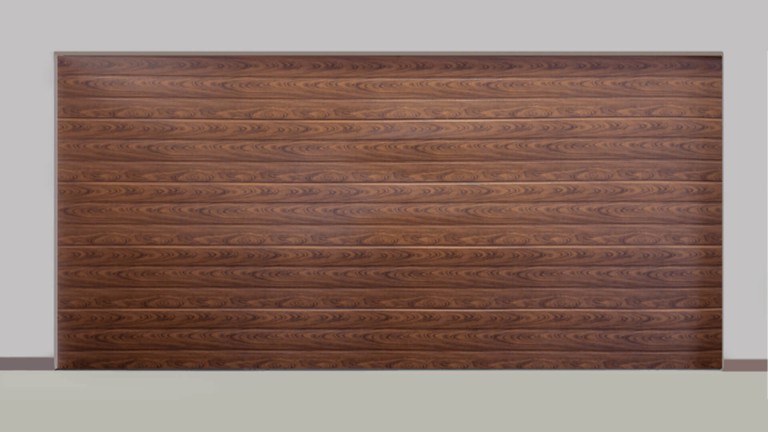
Wooden panels, joints and hinges need to be considered alongside the lifting system. Local panel repairs or restoration may be possible where the remaining structure is sound. A new finish will not resolve loose joints, damaged fixings or uneven movement. Single and double wooden doors also need suitable balance and automation.
Explore the door type ↗Steel sectional doors need compatible panel profiles, hinges, rollers and reinforcement. A dent beside a fixing point may affect operation even when the door still closes. When comparing a replacement, consider the material, panel construction, finish and installation arrangement rather than colour alone.
Explore the door type ↗A roll-up curtain that scrapes, binds or sits unevenly needs its guides and support assembly checked. Curtain repairs, mat replacement and automation depend on the existing system. A roll-up motor and a sectional-door operator are different arrangements and should not be selected interchangeably.
Explore the door type ↗A tip-up door, an aluminium replacement or a caravan-height opening can need different clearances and fittings. For a new installation, opening width, height, headroom and side room must be confirmed. Existing roof members, lights and operator position can affect the available options.
Explore the door type ↗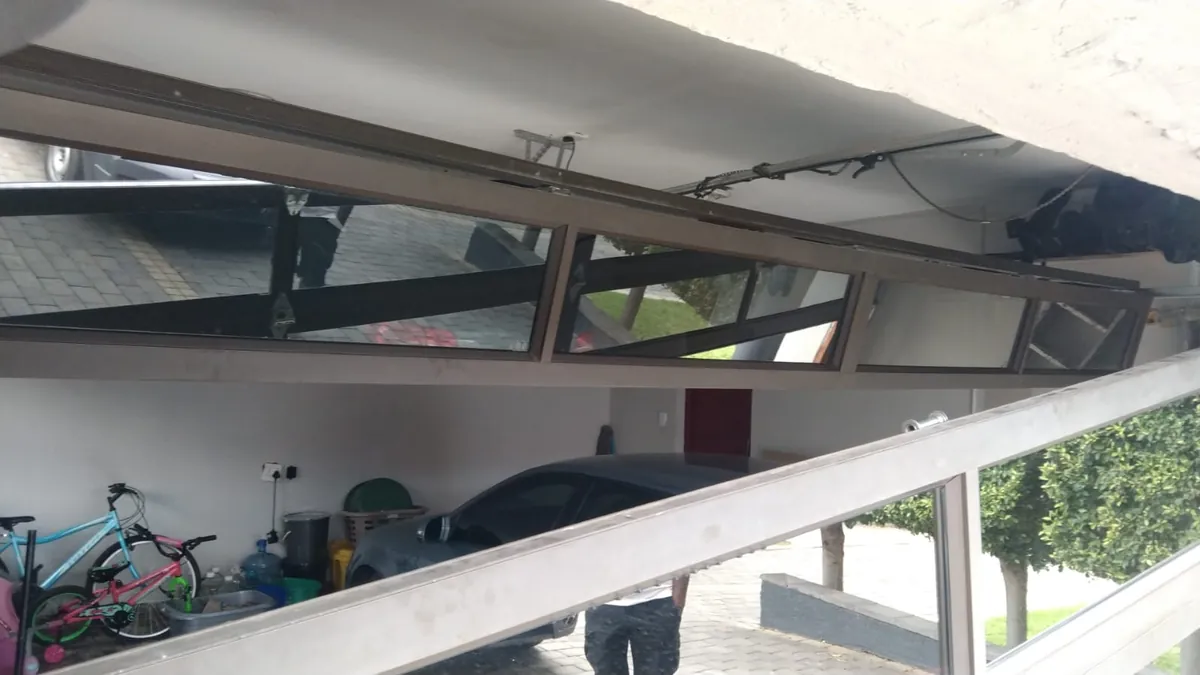
Ask for the condition of the panels, support hardware and operator to be explained separately. A recommendation should address the whole system, not only its appearance.
Garage door repairs in Sharonlea can involve one damaged part or several worn components. These are the main areas to identify when you enquire; the final scope follows an assessment of your actual door.
A spring supports the lifting load; the motor is not intended to compensate for a door that has lost its balance. A visible spring gap, sudden heaviness or uneven lifting needs assessment of the spring arrangement, shaft and supporting fittings. Torsion springs and tension springs must suit the fitted door.
Spring repair information ↗A slack or frayed cable, or a door hanging lower on one side, can involve the drum, cable routing or balance. Repair should consider both sides of the lifting system. Stop using a tilted door and keep clear of loose cable strands and loaded brackets.
Cable repairs ↗Impact damage, a loose wooden joint or a distorted sectional panel can change the way the whole door travels. The assessment should distinguish a cosmetic defect from damage at a hinge, roller bracket or support point. Replacement sections must match the existing construction and profile.
Panel repair options ↗A recurring squeal, scraping edge or jolt at the track curve gives a useful starting point for inspection. Rollers, bearings, hinges and guide alignment may need checking together. Lubricating an unidentified fault does not correct a bent track or a loose fitting.
Discuss door hardware ↗An operator that hums, stalls or works only on mains power needs a different investigation from a failed remote. Identify the exact model and which controls respond. Door resistance, the drive, charging supply, battery and safety inputs need to be distinguished before replacement is recommended.
Motor repair and replacement ↗A worn bottom seal, unreliable manual lock or loose mounting can affect everyday use even when the motor still operates. Seal profile and closed-door alignment matter. Planned servicing should reflect the door material, actual usage and condition of the moving hardware.
Arrange an assessment ↗Servicing is useful before a door becomes impossible to use. Growing noise, slower movement, loose fittings or inconsistent closing are worth describing even when the motor still completes a cycle.
The service scope should reflect the door material, usage and condition. Routine maintenance and replacement of worn parts are different tasks; ask for any additional repair work to be explained before it is carried out.

Look at door travel, alignment, mounting points and the attachment of the operator. A loose support needs more than a cosmetic repair.
Assess springs, cables, drums and their supporting fittings as appropriate to the door. Unbalanced movement should not be hidden by higher motor force.
Wear, loose fixings and guide resistance can affect neighbouring components. Identify the cause of new scraping or repeated noise.
Discuss remote response, relevant safety inputs, manual release and backup operation. Use checks appropriate to the exact operator and installation.
A wooden finish, a guide rail and an electrical operator do not need the same treatment. Avoid pressure-washing motors or sensors, and ask about suitable care for the equipment actually fitted.
Tell the team when the door was last attended to, if known, and what has changed since then. A useful maintenance recommendation identifies the condition found, the work proposed and any compatible replacement components required.
Request a service assessment ↗A working door can still have worn rollers, loose fittings or deteriorating seals. A useful service request identifies changes you have noticed rather than only asking for lubrication. Gradual noise, slower movement and inconsistent closing each give the technician a different starting point.
Discuss this repair ↗Routine servicing should be distinguished from replacement work discovered during assessment. Tracks, hinges, lifting hardware, operator attachment and safety functions may need checking as appropriate to the door. The equipment condition determines which maintenance tasks and repair components are justified.
A planned service can begin with a list of small changes: a new sound, an inconsistent stop or a worn seal. Ask for the findings and any additional repair work to be explained. That makes the proposed maintenance scope clear before components are replaced.
For Sharonlea, tell the team when the door was last attended to, if known, and what has changed since then. Include the door material and motor model. Ask for the recommended repair scope to be explained before worn components are replaced.
A working light or humming motor does not establish that the door is free to move. Drive engagement, backup power, receivers and safety inputs should be assessed alongside the mechanical door.
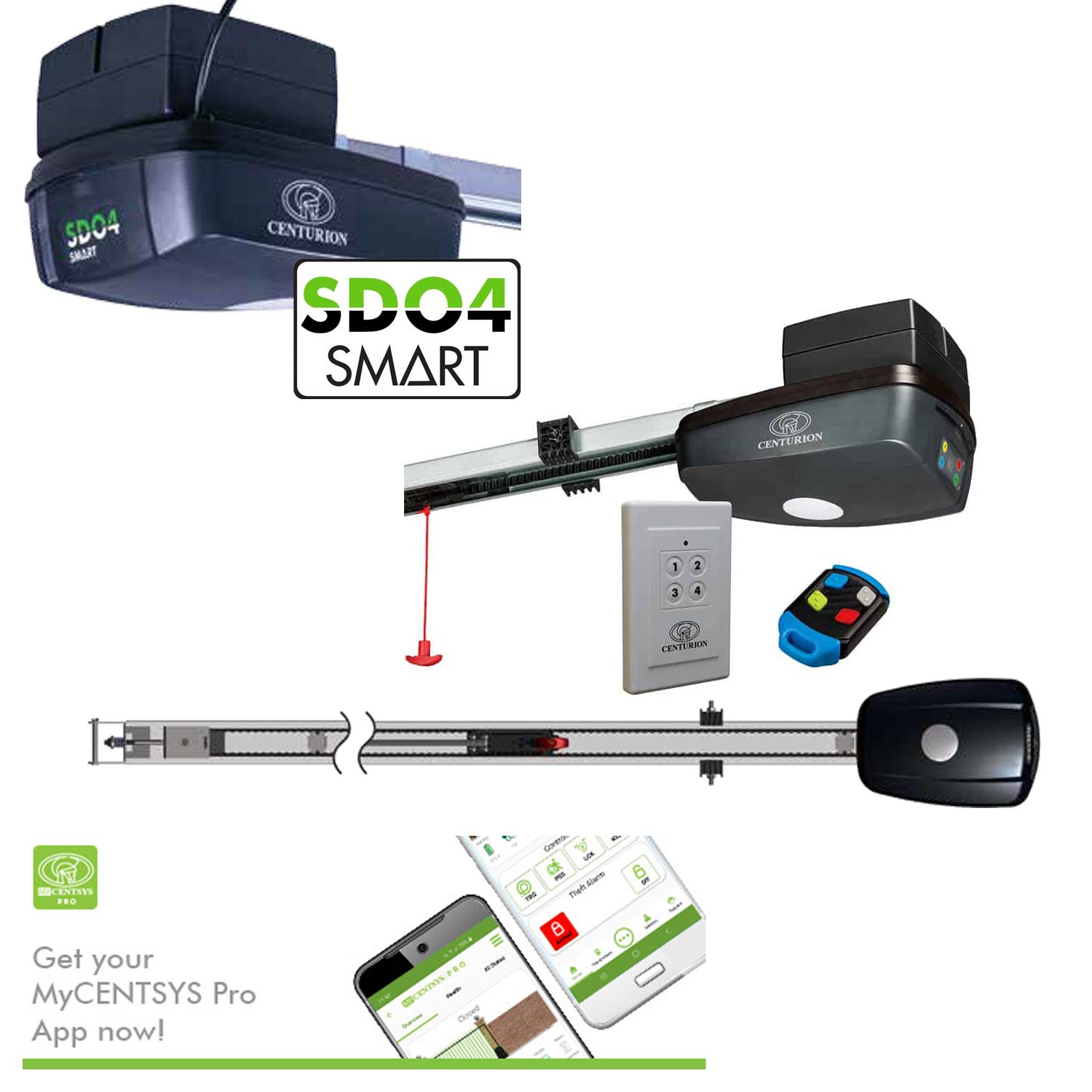
The original SDO4 and SMART models are distinct products. Include the exact label when discussing a battery, drive, travel or control fault. Existing rails, mounting and door compatibility need consideration before an operator is replaced.
Model information ↗A DC Blue fault may involve the power supply, fitted controller, drive or door resistance. Describe whether the opener starts, which lights respond and whether the fault changes during a power interruption. The exact model determines compatible components.
Model information ↗For Gemini operators, separate a backup-power concern from a movement or control fault. Tell the team whether the wall switch and remote behave differently. A mechanically sound door remains important when deciding whether the motor needs repair or replacement.
Model information ↗Digidoor 1, 2, 3, 24, 6 and 7 enquiries need model identification rather than a general brand description. Where a label is missing, a clear casing and rail photo can help. Availability of suitable replacement parts must be checked.
Model information ↗One failed handset is different from a system where every remote and the wall control fail. Receiver frequency and coding must match the handset; appearance alone is not enough. NOVA remotes and i5 safety-device enquiries should identify the fitted receiver, controller and safety arrangement before components are selected.
Remote controls ↗ i5 safety device ↗For a new garage door in Sharonlea, the material and finish are only part of the decision. The opening, lifting arrangement, available roof space and automation must work together. A replacement may also involve removal of the old assembly and changes to the mounting arrangement.
Single and double doors, caravan-height openings and custom sizes need confirmed measurements. Existing lights, storage and roof members should be visible in the initial photos. A nominal advertised door size is not a substitute for final manufacturing and installation dimensions.
Compare garage door options ↗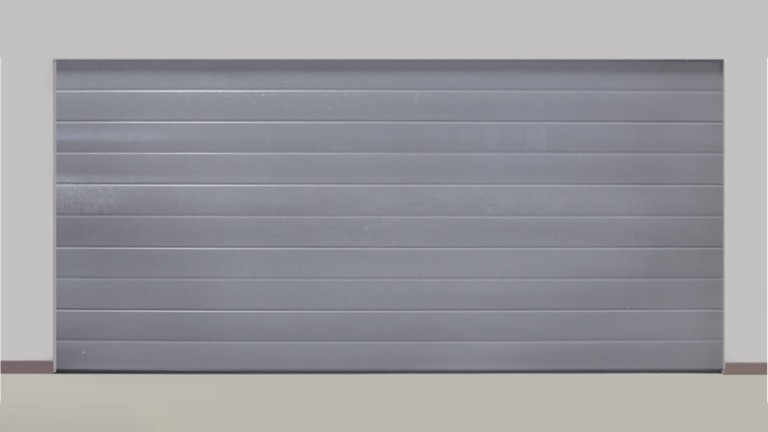
Record accessible width and height if known. Final headroom, side clearance and support measurements need confirmation before the door is ordered.
Compare wooden, steel, sectional, roll-up or other suitable options against the opening, desired appearance and maintenance requirements.
A new door may need different travel, rail or drive arrangements. Reusing an older operator depends on its condition and compatibility with the finished door.
A gate motor and a garage door operator should be described as separate systems, even when one remote controls both. A gate that drags mechanically can strain the drive, while a handset, receiver or battery fault can prevent a sound gate from responding.
For Sharonlea gate motor enquiries, share the model label and explain whether the motor sounds, whether every remote is affected and whether the gate starts moving. Battery, charging, control and gearbox concerns may need assessment alongside the gate movement.
Include both entrances if they need attention, and say which access remains usable. Parts, attendance and the final scope are confirmed after the team has reviewed the equipment. This is a repair and installation service, not an over-the-counter parts shop.
Use this page for a Sharonlea garage door enquiry. Share your street or complex privately with the team, together with visitor arrangements and the person providing access. Appointment availability and travel are confirmed for the address.
The related pages provide service information for other localities. They do not indicate a physical company branch in every suburb.
Contact House of Doors & Gates ↗Clear details help distinguish a repair request from a replacement or maintenance enquiry. You do not need to dismantle anything to tell us what has happened.
Prepare your enquiry ↗For Sharonlea, tell the team when the door was last attended to, if known, and what has changed since then. Include the door material and motor model. Ask for the recommended repair scope to be explained before worn components are replaced.
You can enquire about wooden panel and joint repairs, steel sectional profiles, hinges and related fittings. Whether a section can be repaired or replaced depends on the remaining structure, matching profile and availability of suitable components.
You can enquire about these fitted systems. Include the exact label because models and editions use different components and installation arrangements. Repair options and compatible replacements are confirmed after identification.
Possibly, but its suitability depends on the finished door, balance, travel, mounting and the condition of the operator. Reuse should be assessed against the new installation rather than assumed because the old motor still runs.
Yes. Describe the gate and garage door separately, with a model photo for each operator. Mention which entrance remains usable. The equipment details help define a combined enquiry without treating two systems as one fault.
Call 060 805 0926 or use the enquiry form to prepare a WhatsApp message. Include your suburb, door type, motor model, symptoms and safe photos. Coverage, appointment timing, parts and the final repair scope are confirmed with the team.