A repaired garage door should come with a clear explanation of the work and a proper handover. You can ask useful questions and report visible concerns without touching loaded hardware or carrying out risky balance tests yourself.
01 / START WITH THE HANDOVER
Ask what was repaired and what was checked.
Before the technician leaves, ask for a short explanation of the original fault, its cause and the work completed. Confirm which parts were repaired, adjusted or replaced, and whether any further defects or limitations remain.
A good handover should connect the work to the problem you reported. If the door was lifting unevenly, for example, ask what caused the uneven movement and how the lifting system was checked after the repair.
Ask the technician to demonstrate normal operation using the fitted controls, keeping people and vehicles clear. A smooth opening cycle is useful to observe, but it cannot prove that every hidden component or fixing is correct.
02 / SECTIONAL GARAGE DOORS
Discuss the full lifting arrangement.
A sectional door relies on coordinated movement of its panels, hinges, rollers, tracks and counterbalance system. After relevant repairs, ask how these parts were assessed together rather than checking only whether the opener runs.
Cables and drums
Ask whether cable condition, routing, drum suitability and seating were checked through the required travel. Cable behaviour must be assessed for the actual installation.
Door balance
Ask how manual movement and balance were checked using the manufacturer’s procedure. Do not use a blanket “stays anywhere” rule for every design.
Tracks and rollers
Ask whether alignment, roller condition and travel were checked, especially if the door had been crooked, catching or displaced.
Supporting hardware
Ask whether hinges, brackets, spring supports and fixing points were inspected where relevant to the fault. Do not reach in to tighten them yourself.
From a safe position, report obvious unusual movement, a panel catching, a roller appearing displaced or a bracket moving relative to its mounting. These observations are reasons for attention, not instructions to operate the door repeatedly or put it under further load.
Read about lifting cable repairs ↗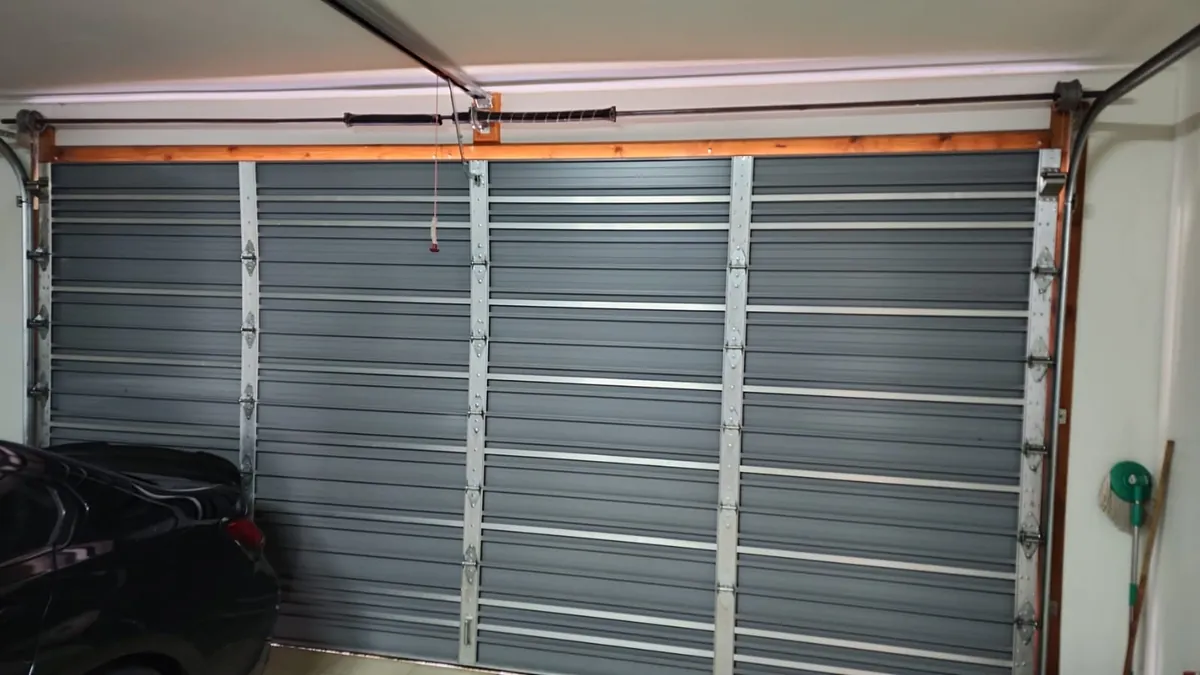
03 / ROLL-UP GARAGE DOORS
Check the outcome against the design.
On a roll-up door, ask what was checked on the curtain, guides, supporting brackets or end plates, spring arrangement and operator. If the original fault involved rubbing, uneven rolling or an obstruction, ask how the cause was resolved.
The technician should assess the curtain’s movement and winding behaviour for the particular door. A visual rule such as “the roll must always look tightly packed” is not a complete inspection standard across different constructions.
Ask for a demonstration of the correct manual operation where appropriate. Do not disconnect the motor or lift a suspect curtain to see whether it stays halfway open. Balance and release procedures need to suit the manufacturer’s design and the condition of the mechanism.
Visible distortion, scraping, loose supports or unpredictable movement needs follow-up. Keep clear of the opening and stop using the door if the mechanism appears unstable.
Explore roll-up door services ↗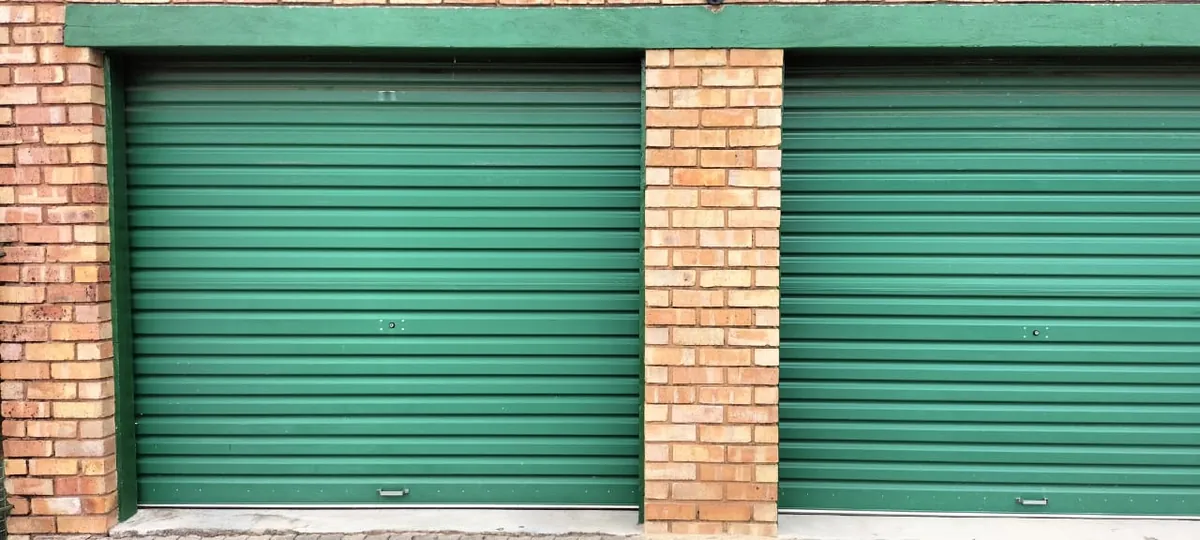
04 / MOTOR, CONTROLS & SAFETY
Confirm the opener was checked with the door.
An opener should operate a mechanically sound door. If the motor needed adjustment or replacement, ask whether the underlying door condition was assessed before commissioning the operator.
Ask the technician to explain travel limits, normal controls, the manual release and the relevant protective functions. Where safety beams are fitted, ask how their interruption response and supported fault monitoring were tested.
Do not use your body, a vehicle or an improvised obstruction to test a suspected fault. Follow the manufacturer’s documented instructions for routine checks, and ask for a demonstration if you are unsure.
If backup batteries or receiver controls were part of the repair, confirm what was checked or replaced. Ask whether any missing remotes need to be removed from the receiver’s memory and how future access changes should be handled.
Safety beam options and compatibility ↗05 / KEEP THE PAPERWORK
Record the agreed work and aftercare.
Keep the quotation, approved changes, invoice and proof of payment. The final record should make it possible to understand what was supplied and which work was completed.
Ask for the applicable warranty terms, including parts and labour coverage, exclusions and how to request support. Where parts are unavailable or a temporary measure was agreed, make sure the limitation is clear rather than assuming a full repair has been completed.
Ask what maintenance is recommended and what symptoms should prompt a call. A service interval should follow the equipment guidance and actual use; do not ignore a new fault simply because the next scheduled service is months away.
06 / IF SOMETHING DOES NOT SEEM RIGHT
Report the symptom and pause operation when needed.
If the door becomes crooked, jammed, unusually heavy or unpredictable, stop using it. Keep people clear and contact the repair company with a clear description of the change.
Record the date, the symptom and any error indication visible from a safe position. Photographs may help, but do not reach into the mechanism, remove covers or move damaged parts to obtain evidence.
A noise or behaviour change does not on its own prove that someone performed the repair incorrectly. Wear elsewhere, an intermittent fault or subsequent damage may be involved. The next step is an inspection that establishes the observed condition and likely cause.
07 / A SEPARATE ASSESSMENT
Request clear findings if a concern remains.
If you want another company to assess the door, explain the original problem, work already done and what concerns you now. Supply the previous quotation or invoice where useful and ask what the new inspection will cover.
House of Doors and Gates accepts assessment enquiries for garage doors and motors. If you need written findings, discuss that requirement before booking so the scope and cost can be confirmed.
An assessment can describe the visible condition, operational findings and recommended work. It should distinguish observed defects from assumptions about previous workmanship; it is not automatically a determination of responsibility.
Explore our assessment and repair services ↗COMMON QUESTIONS
After the repair.
Can I confirm a repair is safe just by watching the door open?
No. Normal-looking movement does not establish that all lifting components, supports and safety functions are correct. Ask the technician to explain and demonstrate the relevant checks for the actual door.
Should I disconnect the motor to test the balance myself?
Ask the technician to demonstrate the appropriate manual operation and balance checks. Do not release a raised, heavy, damaged or suspect door from its opener. Follow the instructions for the particular door and motor.
Must every garage door stay still at every point in its travel?
Balance requirements depend on the door design and manufacturer’s procedure. A universal test at every position is not an appropriate pass-or-fail rule for every door. The technician should assess controlled movement using the correct procedure.
Should I tighten bolts or brackets after a repair?
Do not adjust spring anchors, bottom lifting brackets, cable drums or other loaded hardware. If a fixing looks loose or a bracket is moving, stop use and request professional attention.
What if the same fault returns?
Record what changed, when it occurred and any error indication. Contact the repair company with the invoice and describe the symptom. Stop using the door if it is crooked, jammed or behaving unpredictably.
Can House of Doors and Gates assess work done by another company?
You can request a separate assessment and discuss whether a written findings report is required. The inspection scope, availability and cost should be agreed before booking. Findings describe the observed condition; they do not automatically establish fault or liability.
HOUSE OF DOORS & GATES
Concerned about your garage door?
Send your suburb, door type and a description of the behaviour you have noticed. Keep clear of a damaged mechanism.
Request an assessment ↗